See how your child thinks — and turn weak spots into growth
Start with a free 15-minute cognitive test and get a clear map of your child’s memory and attention, with what to do next. Then, if you want, a free demo lesson at Space Memory School.
15 minutes · no sign-up · results right away
At a glance
Sound familiar?
Parents often hear vague labels from teachers. And the child can’t explain what exactly gets in the way. Sound familiar?
These questions aren’t a reason to worry — they’re a reason to take an objective look. The test shows what’s really behind the “laziness” and “inattention”.
Take the test →“Smart but distracted”
Does your child struggle to hold attention to the end of a task?
“Lazy”
Or does their working memory just not fit the teacher’s long instruction?
“Not trying”
Or do they simply not know how to memorise things?
A new view of learning
Not a “problem”, but an individual way of thinking
A child isn’t lazy and isn’t acting up on purpose — everyone has their own way of taking in and remembering information.
When you understand exactly how your child thinks, the guesswork and conflicts around schoolwork disappear — and a clear plan of support appears.
The Space Memory test shows how a child perceives information, holds attention and remembers.
Sample report: your child’s memory map
Not a table of confusing numbers — a clear map: where your child is ahead of peers, and where they need support. With recommendations you can use right away.
Get your report →Recommendation
Working memory is below average — break instructions into short steps. Use visual cues and checklists.
What happens in your child’s brain
The Space Memory test covers all 6 zones in 15 minutes
Discover your child’s brain map →Two report layers — for different needs
For the parent
Clear infographics without complex terms. Strengths, growth areas and concrete daily activities: which games, checklists, techniques and routines will help your specific child. A map that makes it clear what to do as soon as tonight.
For the teacher and specialist
Detailed metrics for each domain, change between tests, and result-reliability indicators. A teacher can personalise tasks and pace the material for a specific student, not for the “average class”.
Scientific basis
What the test is built on
A battery of 6 tasks based on classic neuropsychological methods used by researchers worldwide for decades. Results are age-normed to compare a child with peers rather than an abstract standard. Over more than 10 years, 36,000+ children and families have gone through Space Memory programmes.
We’re honest about the limits: a browser test is a screening, not a lab study. But it’s accurate enough to reveal strengths and areas of attention you can work with.
Three steps — from test to action
STEP 01
The child plays through game tasks
7 short space mini-games. No “right answers for a grade” — the child just plays, while the system records how they think, remember and hold attention.
STEP 02
A memory map is built
Results are age-normed and combined into a clear map of strengths and growth areas. You see the child’s full profile — where they lead peers and where they need support.
STEP 03
You get a clear report with recommendations
Not a table of cryptic scores, but a plain-language explanation: what it means for learning and exactly what to do at home. With ready-made games, techniques and exercises tailored to your specific child.
Four abilities that shape learning
1
Working memory — the brain’s “RAM”
Determines how much information a child holds and processes at once. It drives understanding of complex texts, solving multi-step maths problems, and following a spoken instruction of several steps: “open your notebook, skip four cells, write the number and solve the second equation”.
2
Attention and self-regulation — the foundation of learning discipline
The ability to concentrate, filter out distractions and inhibit an impulse in time. A child with weak inhibitory control finds it hard not to blurt out, makes careless mistakes and is distracted by any noise. We show whether attention is stable and whether it “runs out” by the end of a task.
3
Logic and reasoning — learning potential
So-called “fluid intelligence”: spotting patterns, thinking abstractly and solving new problems without relying on past experience. It’s the foundation of the ability to analyse and draw conclusions.
4
Speed and stamina — pace and fatigue
Base information-processing speed and resistance to monotonous work. It helps you understand a child’s temperament, how quickly they get going and when the fatigue that drags everything else down sets in.
From test to training: the Space Memory school
The test showed the profile — what next? Space Memory School develops memory, attention and learning skills through group lessons and daily training.
Book a demo lesson →Space Memory School
Three learning tracks
Fast memorisation
Proven memory and mnemonic techniques that let children memorise large volumes systematically instead of cramming. Everything is tied straight to real school topics: dates, definitions, formulas, texts.
Speed reading
We teach children to read faster without losing comprehension. They spend less time preparing and cope more easily with large assignments.
Leadership skills
The ability to argue a point, present, plan and take responsibility. Discipline and consistency that directly affect success in school and beyond.
Lesson format
- Group lessons of 90 minutes once a week
- Small groups of 5–10 — attention for every child
- Online from anywhere in the world + in-person classes in Warsaw and Łódź
- Daily individual training on the platform between lessons
Online platform
Between lessons the child trains on the platform: individual tasks, progress tracking, adaptive difficulty. Accessible from anywhere in the world.
Techniques students master
Memory palace (method of loci)
Lay information out across the “rooms” of an imaginary route
Number–letter code
Encode long numbers into image-words (dates, formulas, numbers)
Names and faces
Quickly remember people and settle more easily into a new group
Remembering words and texts
For languages, dictations, retellings and definitions
Peg-image system (shape system)
Numbers are encoded by their visual resemblance. 0 is a bagel, 1 a candle/spear, 2 a swan, 3 a moustache/gull, and so on. Ideal for quick short lists.
The “chain” method
Images are linked one after another. First to second, second to third (the first is already fading). Lets you memorise a sequence of 50–100 items without tying them to a memory-palace location.
Mind maps
Radiant structuring of information. Students learn to turn whole textbooks into branching logical maps with drawings, so they see the entire topic at once.
Scribing / sketchnoting
The skill of capturing information by ear with meaningful drawings and lettering right during a lesson or lecture.
When to expect results
First month
The child masters the basic techniques and starts applying them to simple school topics. Interest appears: “turns out, remembering can be easy”.
2–3 months
Changes become visible in schoolwork: less time on homework, more confidence with big assignments, growing focus. Parents note fewer conflicts around homework.
Six months and beyond
The techniques become a habit. The child doesn’t cram but understands the structure of information, plans and takes responsibility for their own result — and carries it across all subjects.
Team and expertise
Space Memory is built by neuropsychologists, memory-development specialists and an EdTech engineering team. We combine a scientific approach with modern educational technology to create solutions that help children learn more easily and effectively.
For more than 10 years we’ve grown the project as a family company, putting our own experience, knowledge and values into every product.
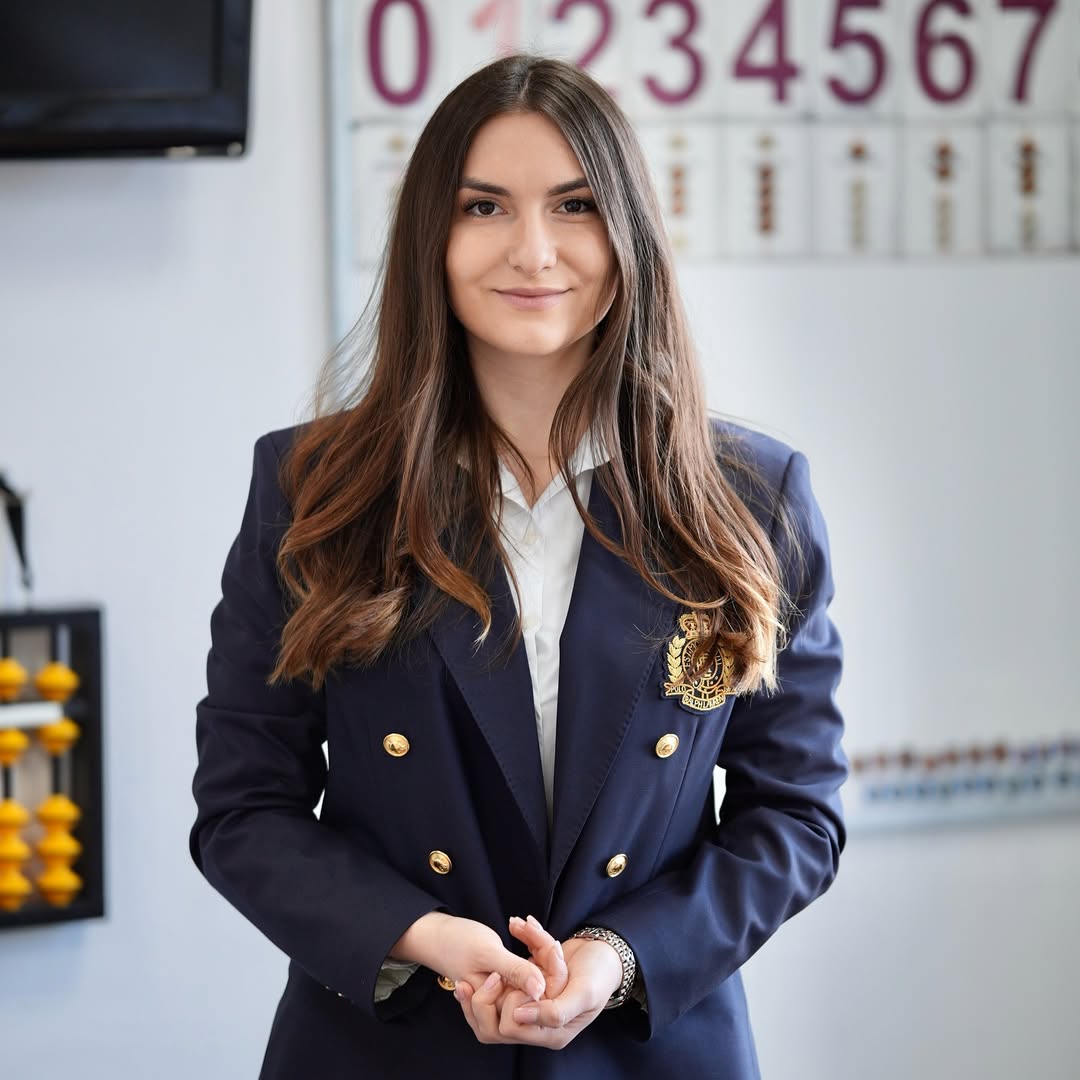
Karolina Lubenets
Co-founder, CEO
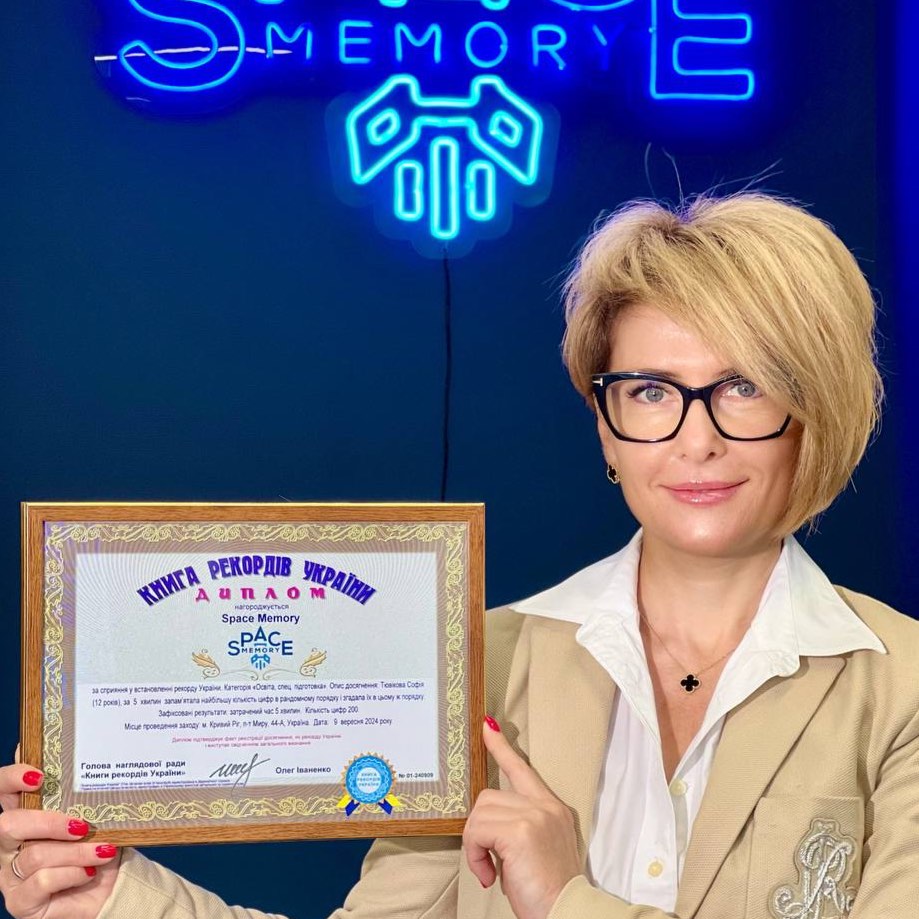
Natalia Lubenets
Co-founder, CLO

Oleksii Lubenets
Co-founder, CSO

Artsiom Hrableuski
Co-founder, CTO
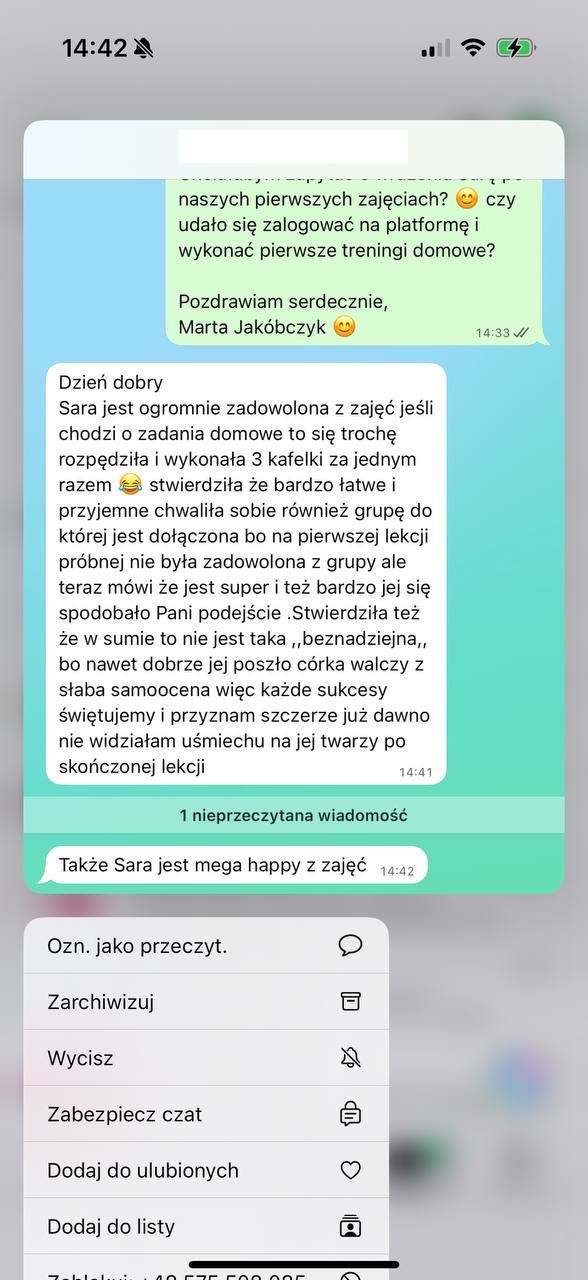
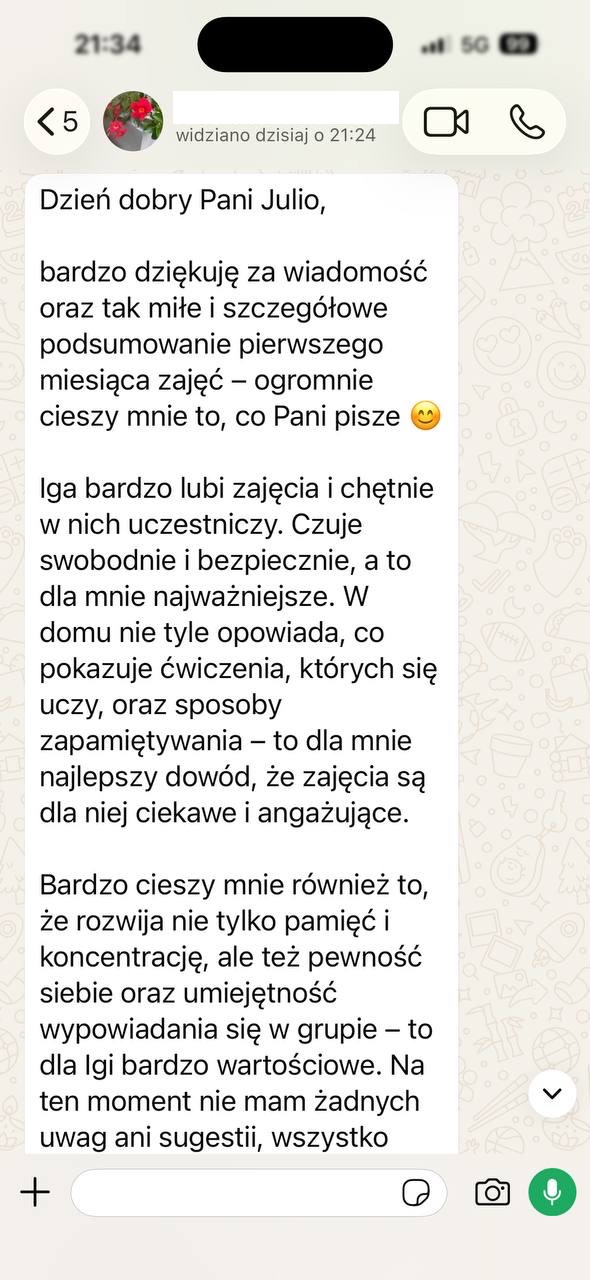
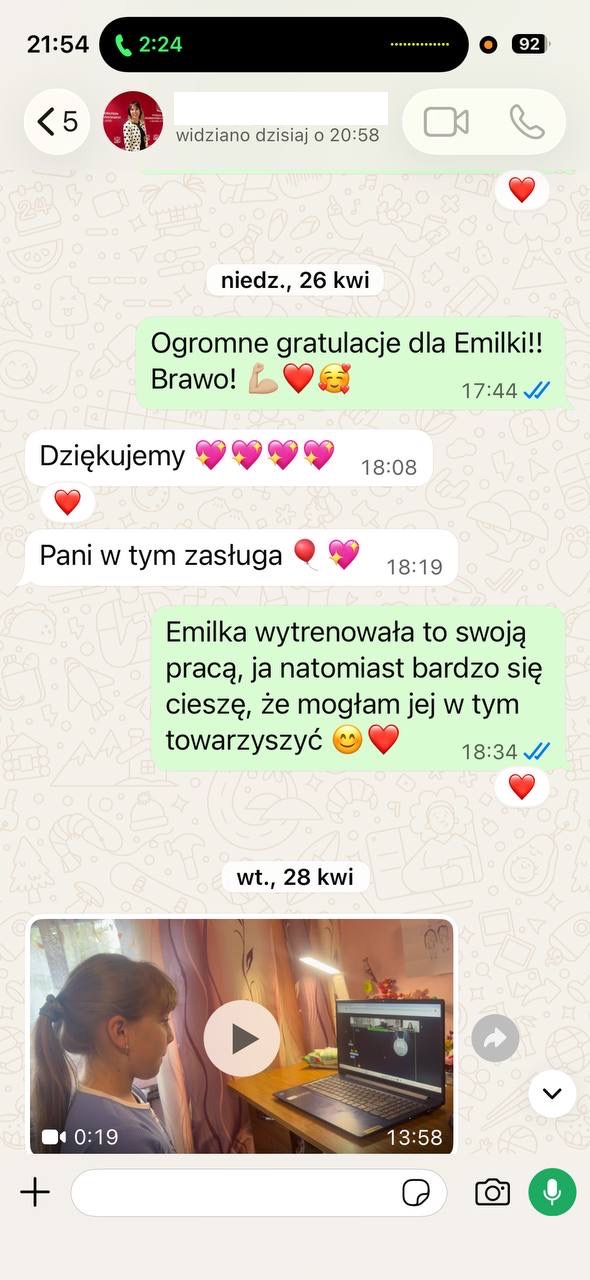
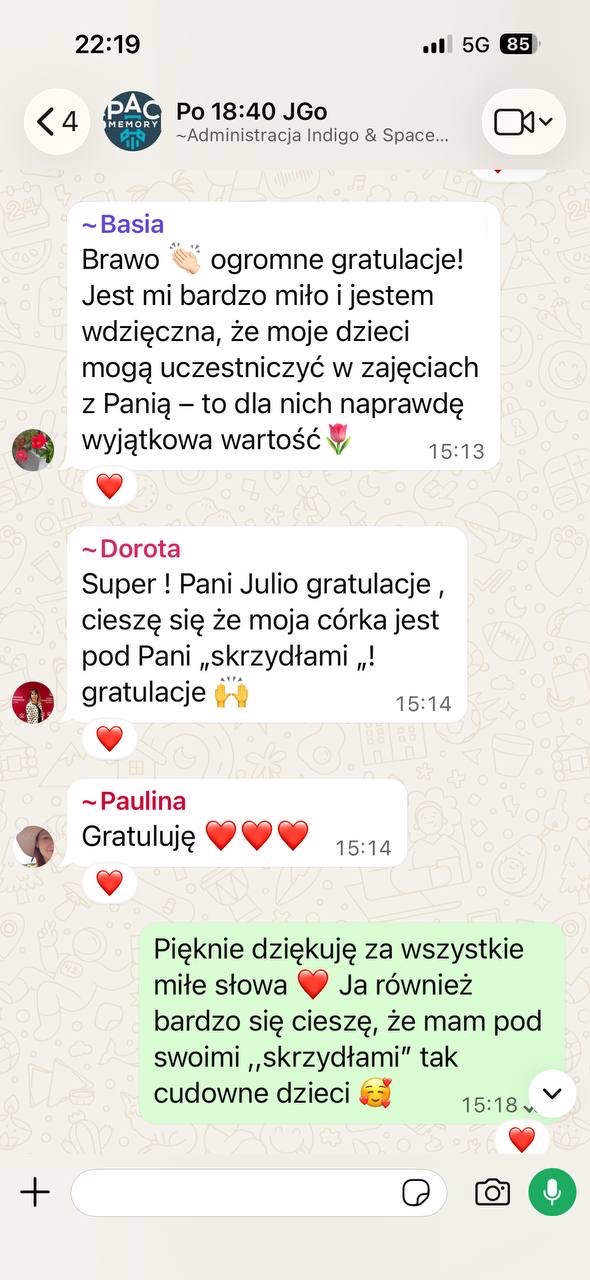
Parent reviews
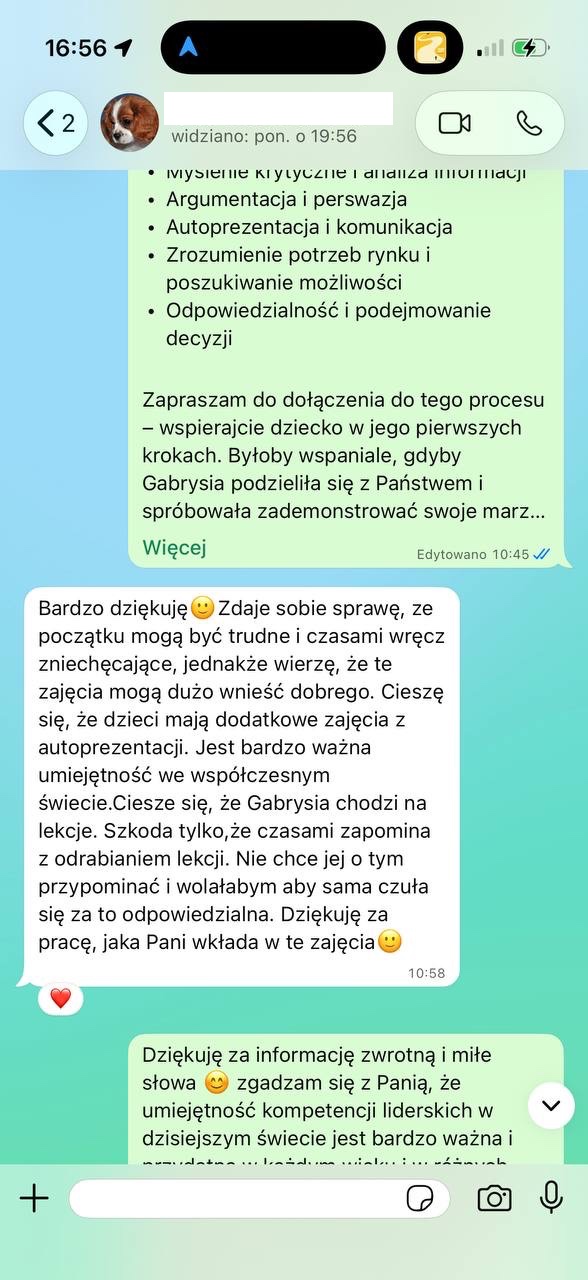
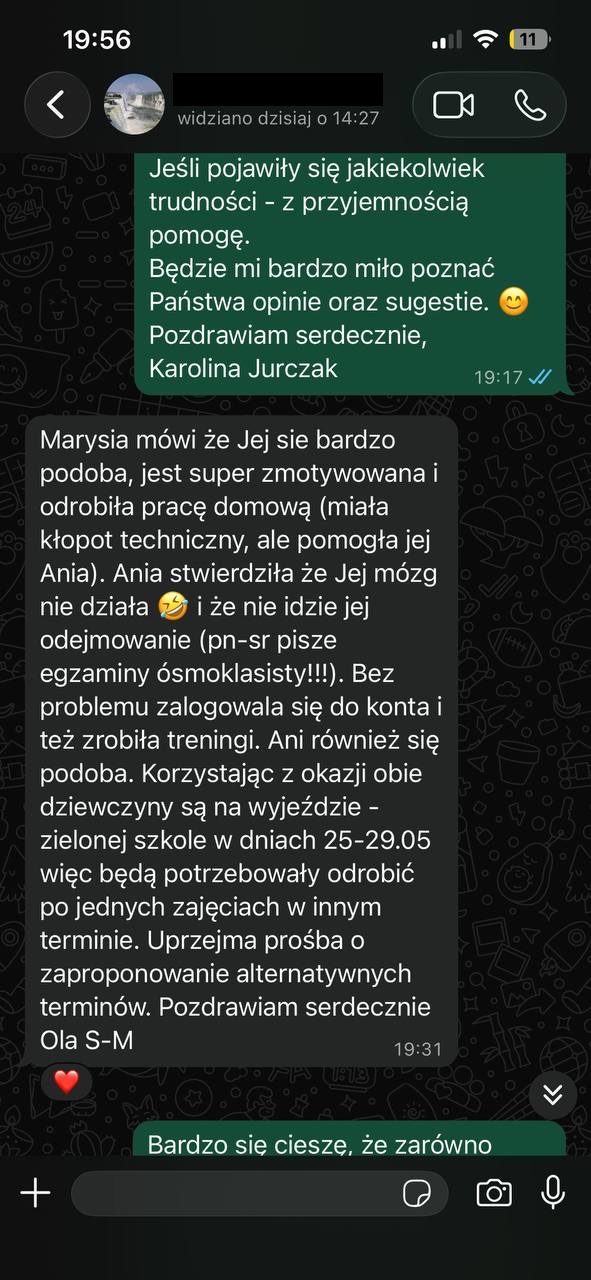
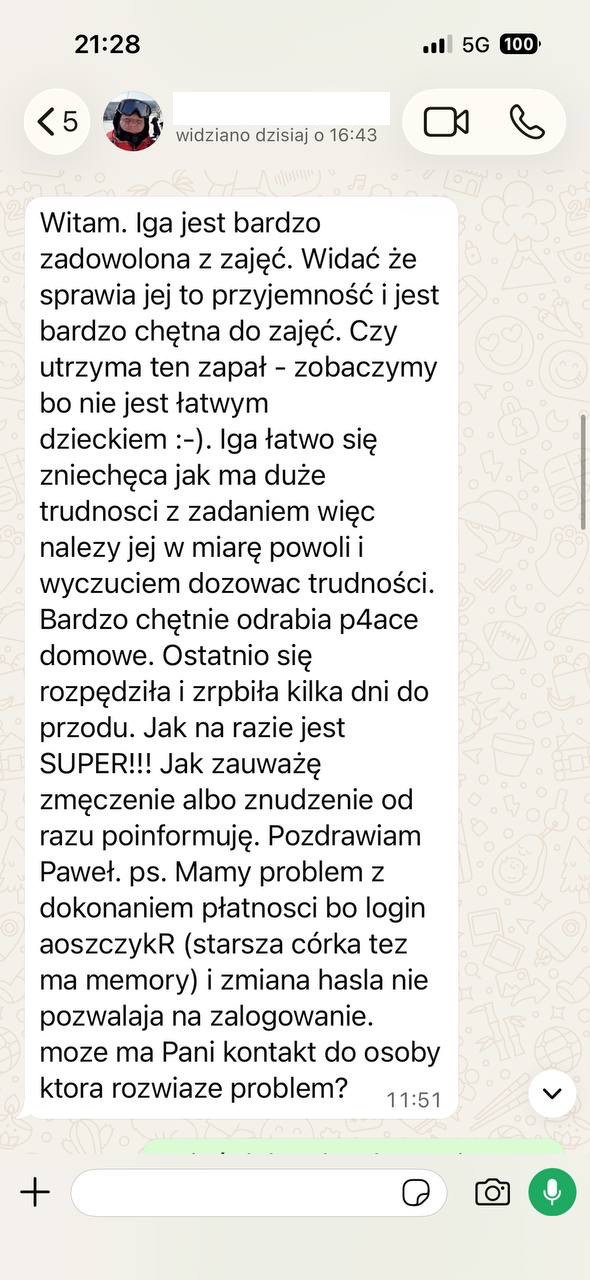
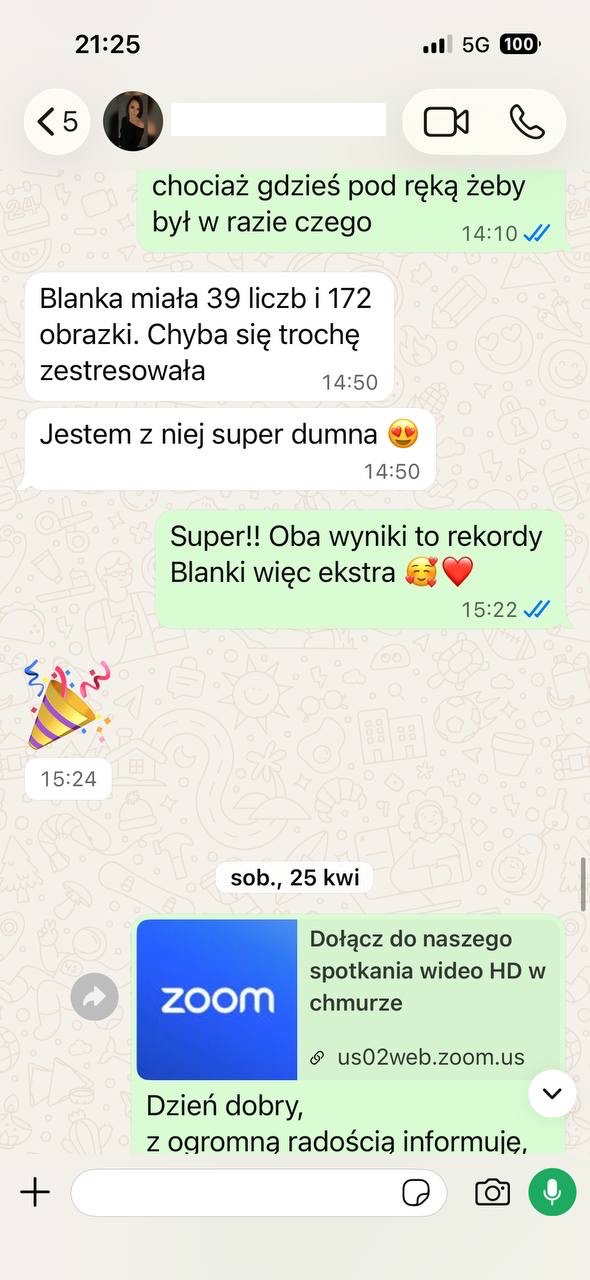
Pricing
Free · everyone
Cognitive test
€0
no card needed
A 15-minute online screening with your child’s basic strengths profile. The perfect starting point.
Free · trial
Demo lesson
€0
at your school
A trial class for children and parents: meeting the trainer and the core memorisation techniques.
For parents
Platform access
€9 / mo
per child · or €86/year — 2 months free
The full report, all test batteries, progress tracking over time and practical home recommendations.
Group training
School lessons
€150 / mo
or €1,399/year
Four 90-minute sessions a month in small groups of 5–10: speed reading, fast memorisation, leadership skills.
Frequently asked questions
No. Space Memory is an educational cognitive screening. It shows a child’s strengths and growth areas but does not diagnose and does not replace a doctor’s consultation. We don’t hang labels — we describe a child’s characteristics and help build learning around them. If the test reveals clear signals, we’ll honestly suggest seeing a relevant specialist.
space.memory.pl
Visit profile- 📚 We teach how to learn
- 📊 We’ll show you how to remember easily
- 💻 We have our own platform that tracks progress!
- ⬇️ Message us!
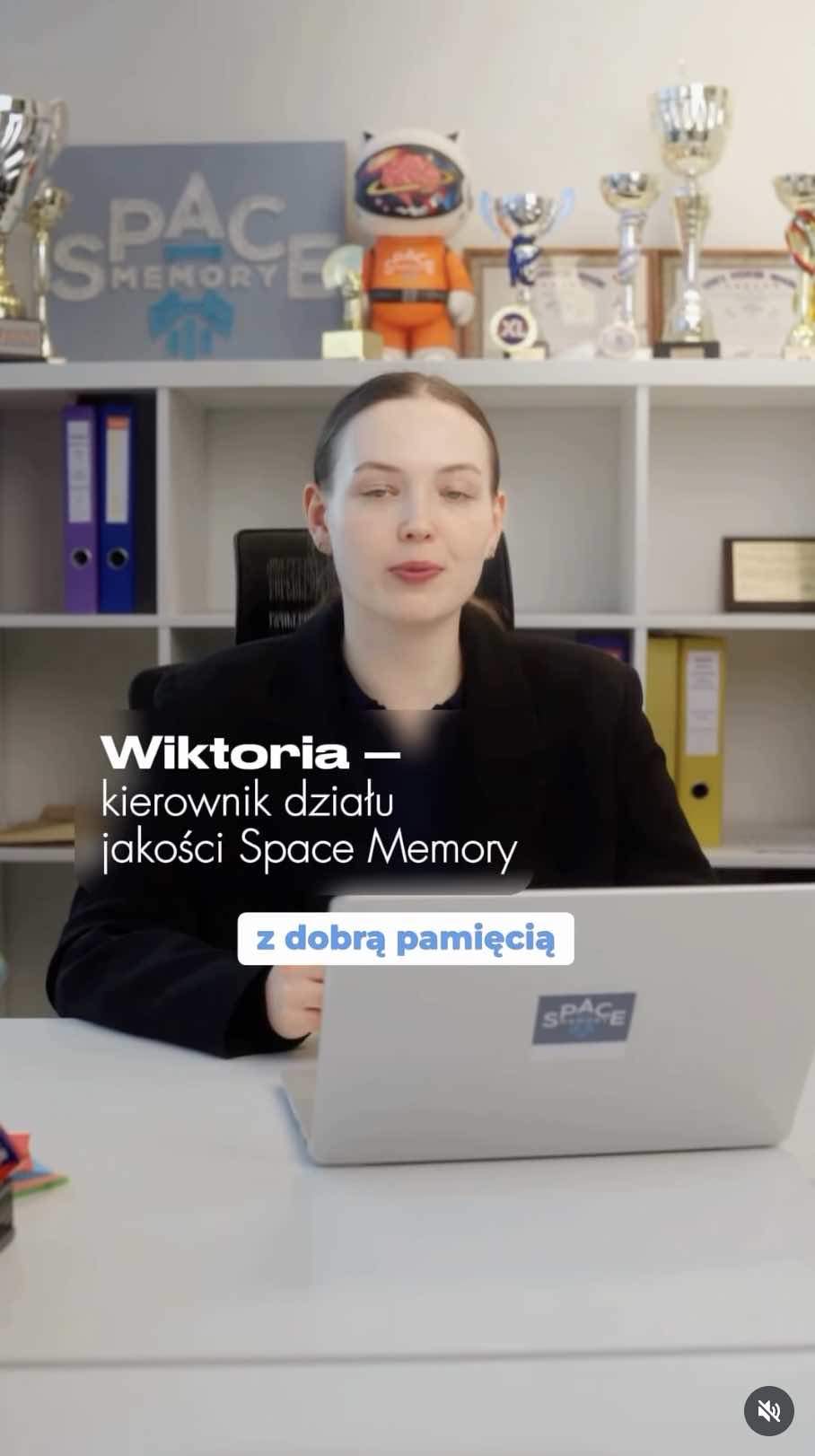
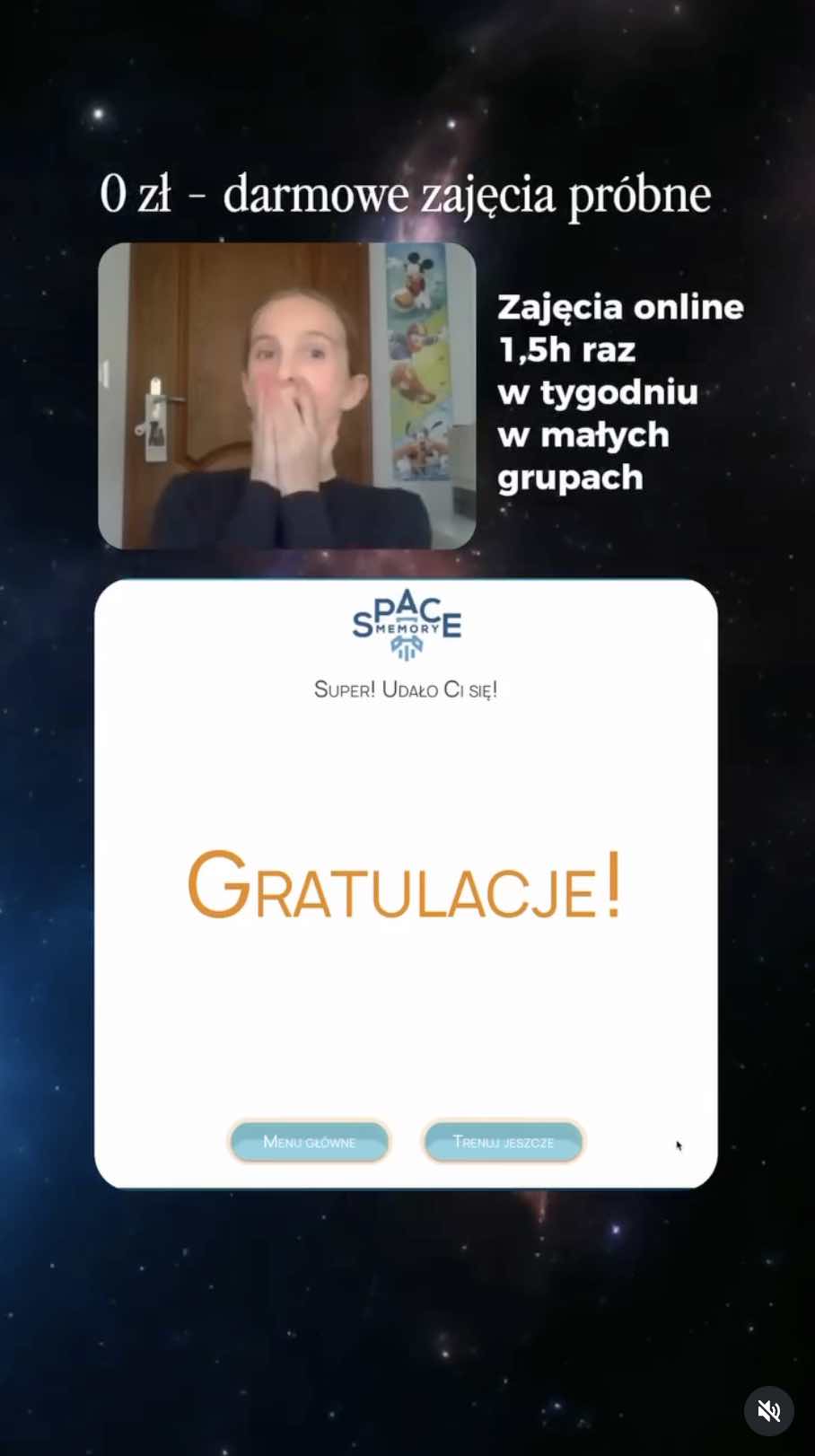
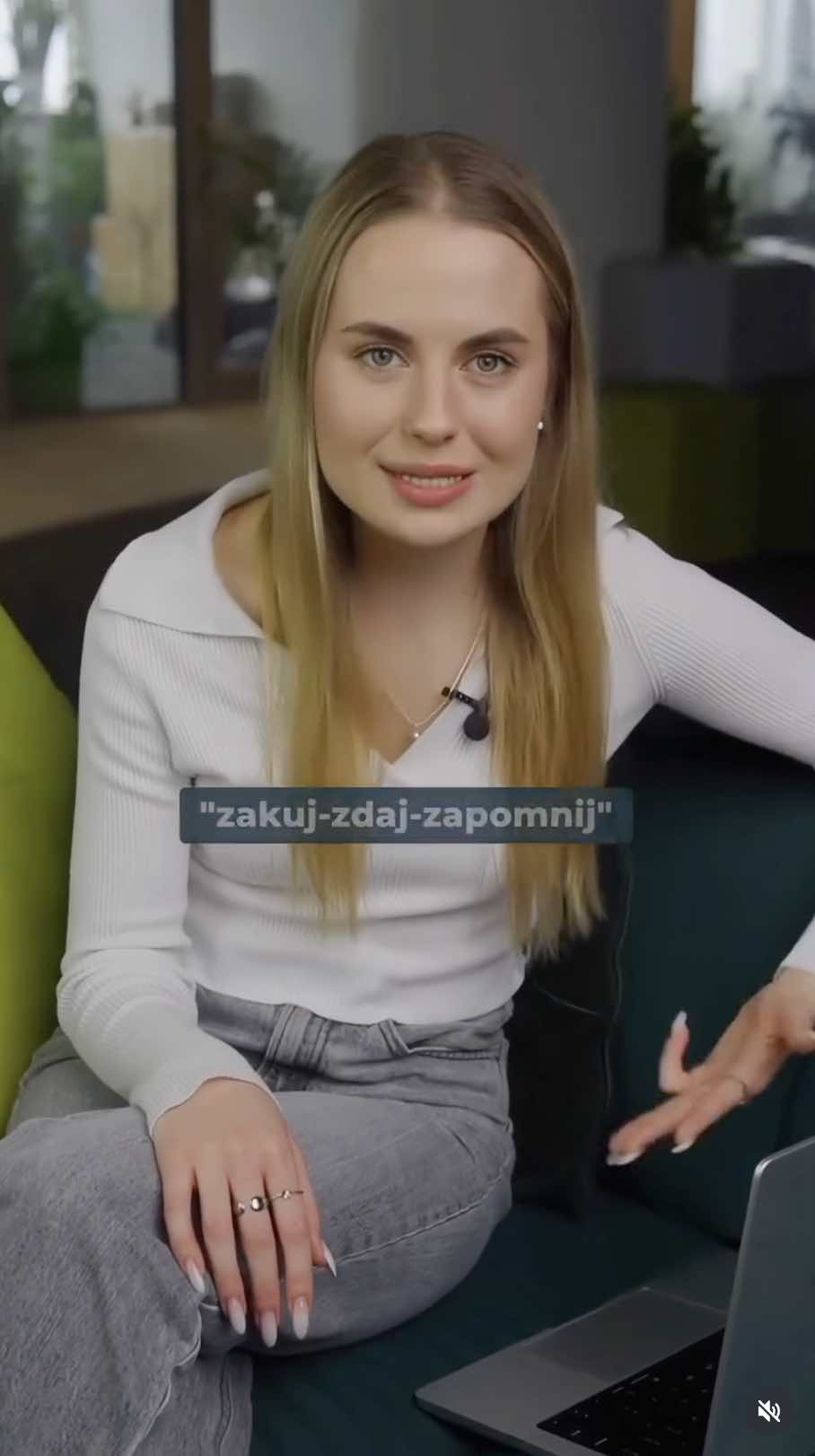
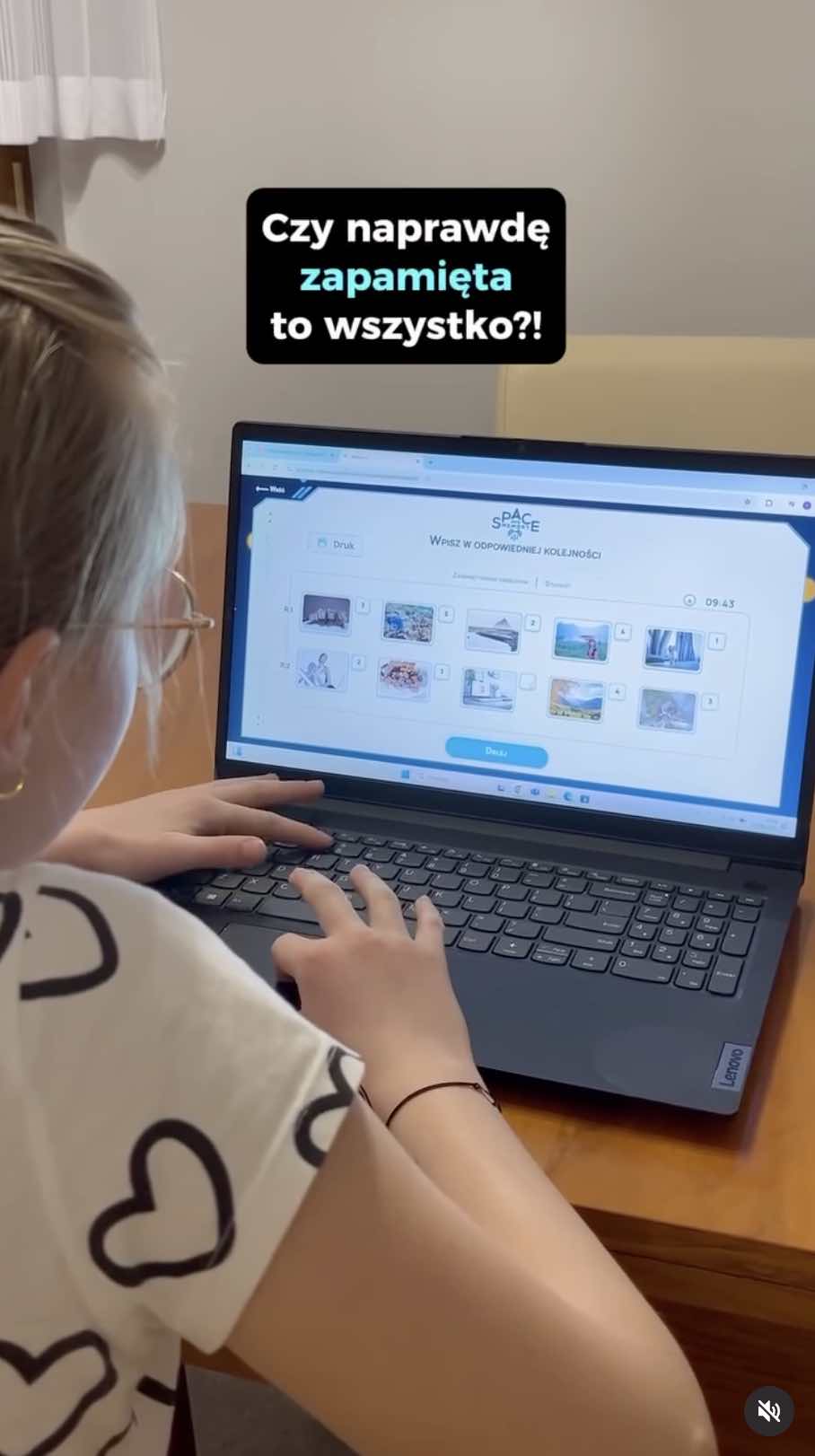
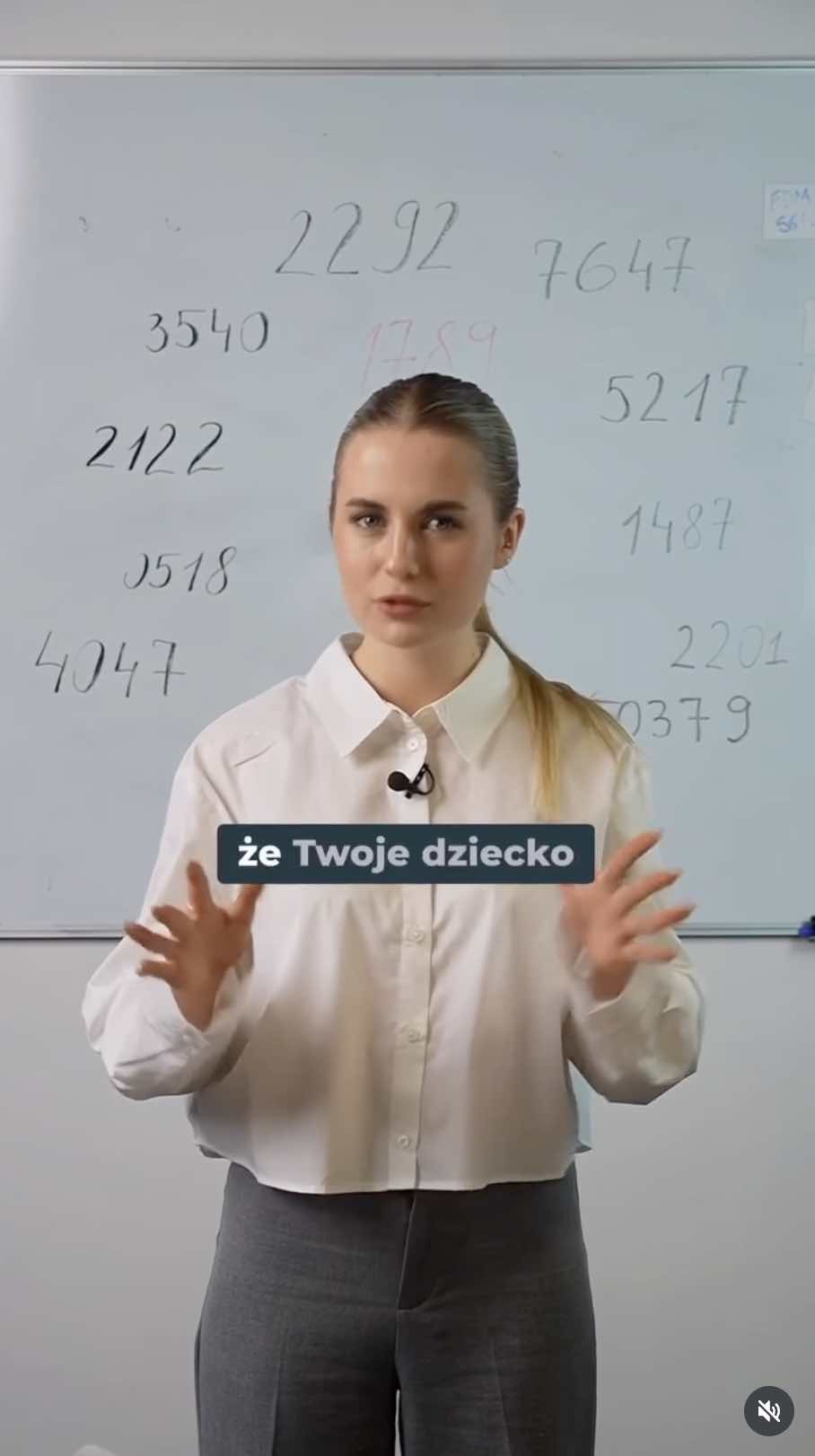
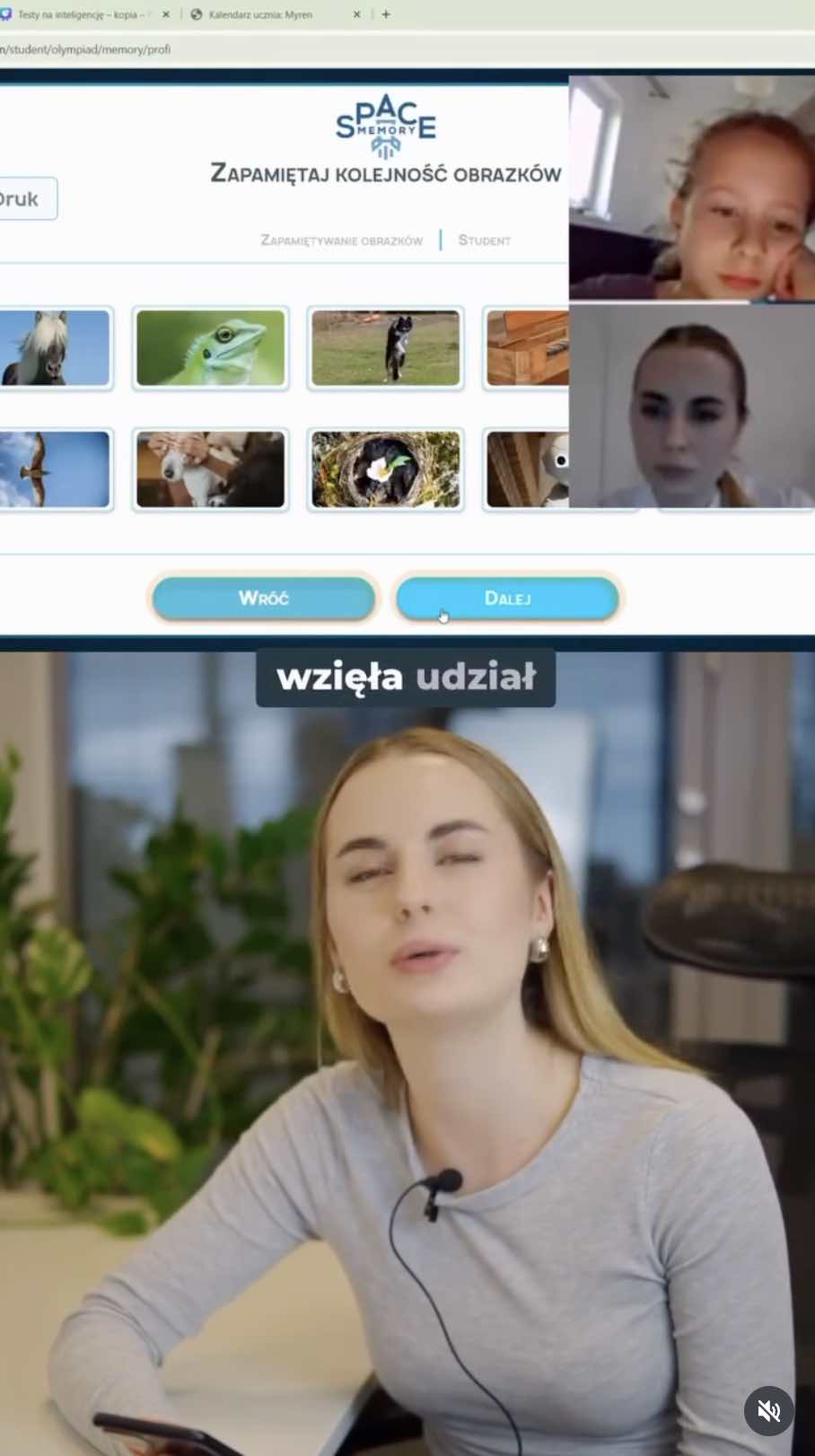
Space Memory — a memory-development community
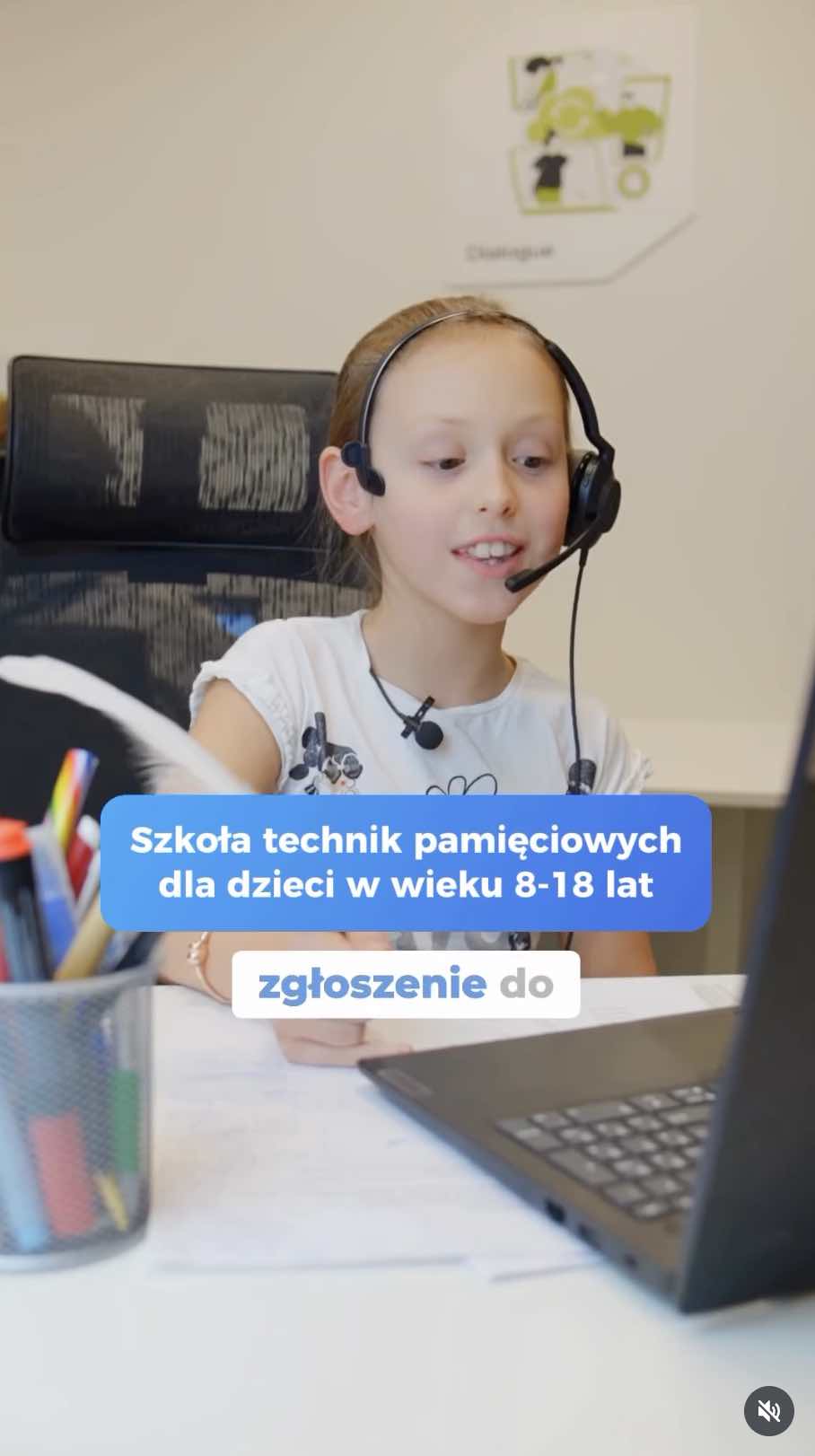
Memorisation methods, speed reading and leadership-skills development for children and teens aged 8–18. With us, learning becomes simple!
Subscribe 1:00
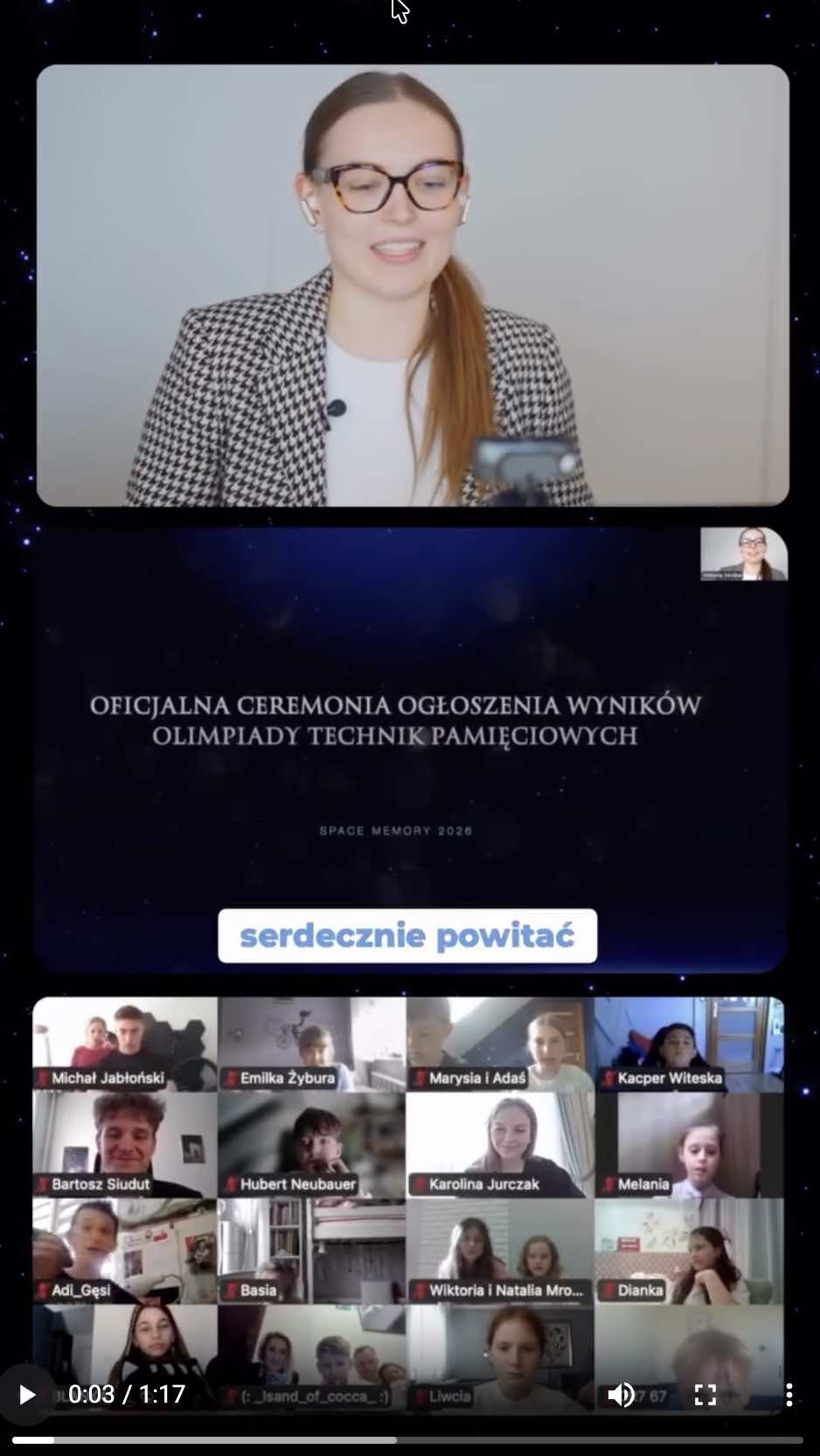
1:00Olimpiada Technik Pamięciowych Space Memory 2026 | Wyniki
 3:24
3:24Historia Space Memory — Jak to się zaczęło?
 2:15
2:15Zapamiętywanie 20 słów i liczb w minutę! Trening Pamięci
 5:40
5:40Jak uczą się polskie dzieci we Francji? Metody Space Memory
 4:15
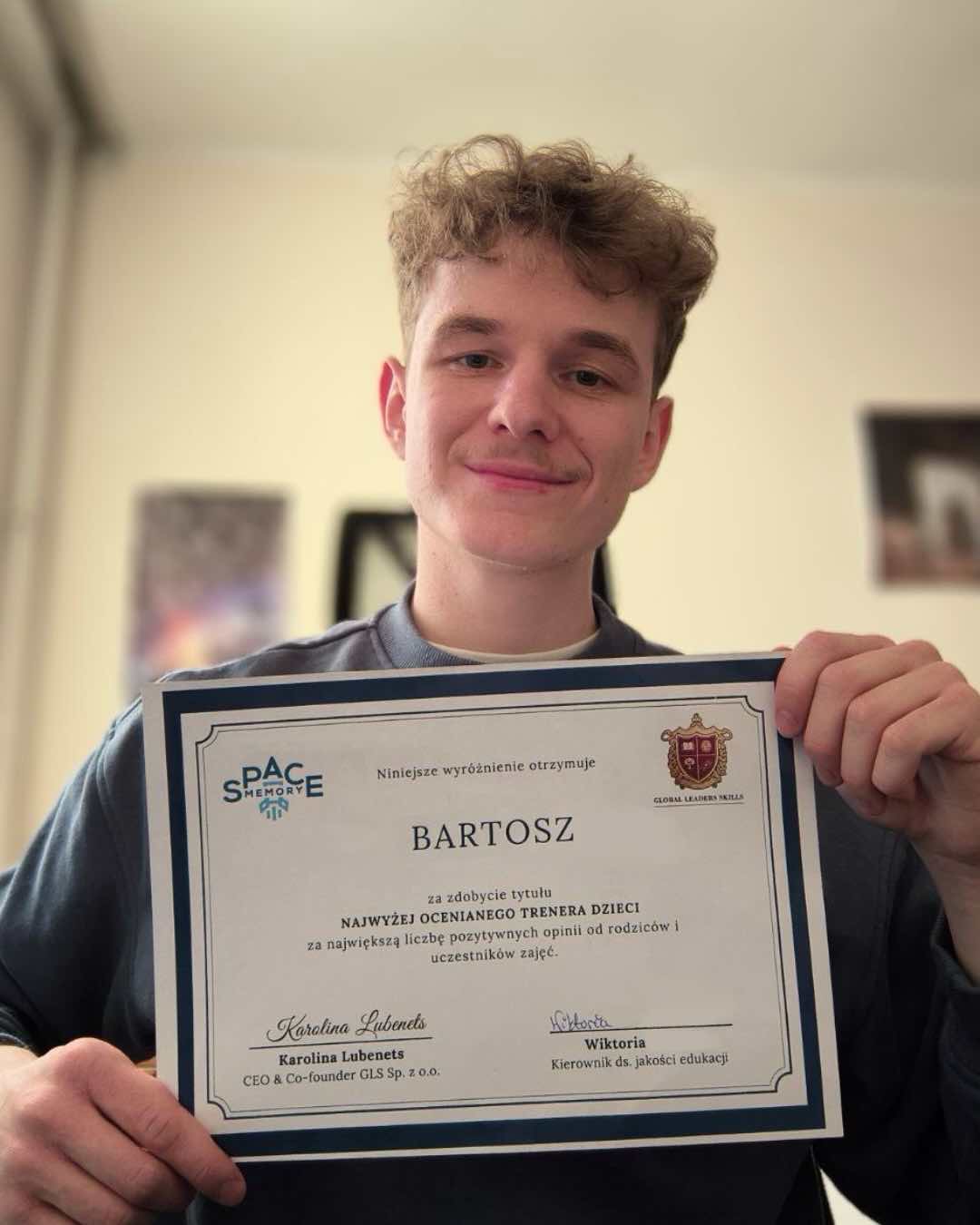
4:15Poznaj Bartka — trenera technik pamięciowych i szybkiego czytania
 6:30
6:30